Currently Viewing Posts in Research

The Geological Understanding Behind Amlan’s Unique Mineralogy

The Rare Geology Behind Amlan’s High-Performance Clay 

Beneath the surface of Amlan’s mineral reserves lies a geological rarity that distinguishes it from clay deposits found anywhere else on Earth. Situated near the northernmost reaches of the ancient Porters Creek Formation, these selectively mined clays are more than remnants of deep time—they’re the product of a complex, low-energy marine environment that existed nearly 60 million years ago. Shaped by ocean incursions, anoxic waters, and evolving sediment chemistry, this unique deposit has given rise to something truly important. Within its ancient layers, calcium-montmorillonite and opal-CT lepispheres naturally intertwine to form a sorbent material with nano-scale porosity and unparalleled adsorption capabilities.  

Hidden Deep in Time 

Amlan’s unique mineral deposits lie near an expansive clay system that spans multiple states and is considered one of the largest of its kind in the world.

FIGURE 1.

The clay was deposited during the Paleocene in a saline, anoxic paleoenvironment similar to conditions present in a modern seashore river delta.  During that period, the ocean transgressed over this region termed the “Mississippi Embayment”. 

The clays (or phyllosilicates) are predominantly composed of Smectite mineral of detrital origin (such as Ca-montmorillonite), along with other minor or trace constituents including illite, kaolinite/halloysite, quartz sand, mica, pyrite and K-feldspar.  Also of key importance, the authigenic mineral Opal-CT is present in large amounts in some areas.  Opal-CT precipitated from silica-saturated pore waters formed as a result of the dissolution of diatoms (the skeletons of siliceous marine organisms called plankton) co-deposited long ago with these detrital minerals. 

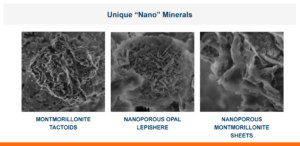
Amlan’s sorbents are bentonite materials that contain a large amount of micropores which are distributed inside the individual mineral particles comprising granules. Hence processed binding sites for the complexation of molecules are contained within their interconnected porous system.  This unique nano-scale material is composed of other Opal-CT minerals whose collective microstructures (seen in the Opal Lepisphere image provided below) and unique surface chemistry characteristics enhance the special physical properties displayed by it.  For instance, natural opal lepispheres are a special geogenic mineral intimately interwoven with the nano-scale montmorillonite tactoids forming the bentonite. This “structural fabric” maintains its interconnected porosity during the thermal processing used to make Amlan’s feed additives.  In addition, the opal lepisphere structures themselves create more pores, enhancing the binding sites that can be accessed. 

Figure 2.      Unique Montmorillonite & Opal-CT Minerals

At the atomic and nano scales, montmorillonite is built from a repeating arrangement of silica tetrahedra and aluminum octahedra—fundamental building blocks organized into 2:1 layered sheet structures that define this phyllosilicate mineral. In nature, these layers often undergo elemental substitutions. For example, when a silicon atom (normally surrounded by four oxygen atoms with a neutral charge) is replaced by an aluminum atom during clay formation, the charge balance is disrupted. Because aluminum carries only three positive charges, the substitution creates an extra negative charge within the structure. When this charge is balanced by a proton (H), it forms what’s known as an ‘acid site.’ These acid sites, combined with the extensive micro- and nano-scale porosity within the clay, are key contributors to its strong adsorption properties. 

This intricate atomic structure—paired with the naturally embedded opal-CT lepispheres—sets Amlan’s clay apart. It’s this rare and highly functional mineral foundation that enables the superior performance of Amlan’s solutions, forming the basis for high-efficiency products built on the strength of geological precision.

A Geological Foundation for Performance 

Amlan’s clay stands out not by chance, but due toa rare geological environment that shaped it millions of years, coupled with Amlan’s proprietary thermal processing, is what makes it unique. This bentonite clay features a unique blend of calcium-montmorillonite and opal-CT, with a naturally porous structure at the micro- and nano-scale. These characteristics aren’t just scientifically interesting, they directly contribute to the superior performance of Amlan’s sorbent technology. From exceptional adsorption capacity to structural integrity during processing, this clay’s natural architecture delivers reliable, high-functioning solutions across a range of applications. It’s not just clay—it’s a rare geological advantage engineered by nature and optimized by Amlan.

Calibrin®-Z: An In-Depth Look at the Speed and Superior Binding Efficacy

An Urgent Need for Antibiotic Alternatives

Pseudomonas aeruginosa is a bacterial species, capable of surviving in a variety of animal and plant hosts and causing opportunistic infections. Its resistance to multiple antibiotics and disinfectants makes it a significant concern in modern medicine and animal production facilities. The World Health Organization lists carbapenem resistant P. aeruginosa as one of the top three pathogens in which new antibiotics or alternative treatments are critically needed. Aside from human medicine, livestock and companion animals are known hosts for serious infections from P. aeruginosa. Notable infections include mastitis in cattle, respiratory diseases in poultry, ear infections in dogs and reproductive infections in horses (Table 1). P. aeruginosa infections in livestock have a significant economic impact due to factors like increased morbidity and mortality, reduced production yields, higher veterinary costs for treatment and the need for stricter biosecurity measures to prevent spread. Given its pathogenic potential and resistance to antibiotics, P. aeruginosa infections in livestock require effective preventive measures and targeted therapeutic strategies to minimize economic losses and animal health impacts. 

Table 1. List of diseases caused by P. aeruginosa in various hosts

Pyocyanin, a Key Virulence Factor  

One of the crucial toxins produced by P. aeruginosa is pyocyanin. It is a phenazine compound known for its role as a virulence factor, contributing to the pathogenicity of the bacteria. Pyocyanin generates reactive oxygen species (ROS), which can damage host cells by disrupting cellular functions, impairing immune responses, and inducing oxidative stress. It also interferes with cellular respiration and signaling pathways. Pyocyanin is notable for its characteristic color and is often used as a diagnostic marker for P. aeruginosa infections. Its ability to modulate the host immune system and disrupt cellular functions makes it a key target for research on antibacterial strategies and therapeutic interventions.

Fig. 1 | Pyocyanin is a nitrogen-containing aromatic metabolite. The color of pyocyanin is blue-greenish at the neutral and alkaline pH levels and that changes to purple-red in acidic conditions. It has a low molecular weight, which enables easy biological membrane permeation.

A proven toxin binder 

Calibrin-Z is backed by over 15 years of research, proven to bind bacterial pathogens and their toxins, as well as mycotoxins, protecting production animals from a broad spectrum of biotoxins that reduce performance and cause morbidity or mortality. A one-ingredient feed additive, Calibrin-Z is made from our selectively sourced calcium montmorillonite with opal-CT lepispheres that undergoes proprietary thermal processing to promote the binding of multiple biotoxins in the intestine. Calibrin-Z’s ability to rapidly bind this broad spectrum of toxins sets it apart from others in its class. 

During research to determine if Calibrin-Z would rapidly target pyocyanin, two pyocyanin solutions were used. As shown in Figure 2, the pyocyanin solution is purple/red at pH 3 and blue at pH 7. Granules of Calibrin-Z were added into each solution. Then the samples were mixed briefly by vortexing. When minerals settled on the bottom, the pyocyanin solution looked clear suggesting the removal of pyocyanin from water solution. The fact that Calibrin-Z neutralized pyocyanin demonstrates its speed and effectiveness toward harmful toxins.  

Commercial Farms Recognize the Proven Benefits of Calibrin-Z 

Calibrin-Z offers the critical advantage of rapid toxin binding, helping prevent harmful biotoxins from being absorbed into the bloodstream—something that can happen within minutes of ingestion. Once toxins enter the bloodstream, they can causesystemic damage and disease, significantly reducing animal performance while also compromising the safety of meat, milk, and eggs. By using a proven toxin binder like Calibrin-Z, producers can help protect both animal health and food security. Backed by numerous commercial case studies, Calibrin-Z consistently delivers results,  making it a reliable solution for both poultry and livestock production. 

To begin your own Calibrin-Z trial, or for more information about the benefits of using Calibrin-Z for biotoxin control, contact us at info@amlan.com. 

References: 

Wang, D. and H. Xue. 2021. Clay mineral-based treatments in Pseudomonas aeruginosa infection control. United States Patent Application. Application No.: 17/504,338 


Dr. Aldo Rossi Talks Speed of Binding with Feedstuffs 365

At IPPE 2025, Dr. Aldo Rossi sat down with Ann Hess of Feedstuffs to discuss the critical role of binding speed in biotoxin control. Many toxins in contaminated feed can be absorbed into a bird’s digestive tract within just 30 minutes of consumption. This makes the speed at which a feed additive acts essential for protecting animal health.

Amlan’s Calibrin®-Z delivers rapid, broad-spectrum toxin binding, helping safeguard poultry health and support optimal productivity. Learn how its fast-acting, comprehensive binding capabilities are advancing animal health and improving performance for producers worldwide. To watch the interview, click here.

Dr. Aldo Rossi Highlights Importance of Speed in Biotoxin Management

Dr. Aldo Rossi, VP of Innovation & Technical Services at Amlan International, describes the critical importance of speed in biotoxin detoxification for production animals in WATT Poultry International. Amlan’s Calibrin®-Z excels with rapid, broad-spectrum toxin binding, ensuring animal health and optimal productivity. This unique mineral-based feed additive binds harmful toxins like T-2, fumonisin, and zearalenone extremely quickly, without negative impact on nutrient absorption even at higher inclusion rates. To read more, click here.


Varium®’s Long History of Boosting Poultry Performance Expands with New Swine Study

Varium® and its sister product, NeoPrime, were developed as non-antibiotic alternatives to improve production by optimizing gut health in poultry and swine respectively. Amlan has decided to streamline product offerings, research shows Varium’s patented blend of natural ingredients can provide equal benefits in swine. In a recent study, Varium improved feed conversion, reduced mortality rates and improved the overall well-being and performance of swine on a commercial farm in Mexico.

Weaned piglets are particularly susceptible to digestive disorders that can lead to poor performance.  Weaning is a critical stage for piglets, as their digestive systems are still developing and highly vulnerable to disruptions. The abrupt change in diet, combined with the stress of separation from the sow, often leads to digestive disorders like post-weaning diarrhea. These conditions can hinder nutrient absorption, weakening the piglets’ immune system and overall health. This reduction in performance early in life creates a fallback lag for the challenged piglet, which follows the animal all the way to maturity. Piglets left unsupported during weaning display lower market weight as this extended period of decreased feed intake, poor nutrient absorption, and diminished weight gain hinders healthy and efficient growth early in life. This, in turn, negatively affects the bottom line of producers worldwide. To mitigate these challenges, it is important to implement strategies to support gut health during this transition to maintain the health and performance of weaned piglets.

The patented technology of Varium offers a synergistic blend of ingredients designed to address the key challenges faced by weaned piglets. Varium was specifically designed with 3 unique modes of action to improve performance and reduce the challenge an animal faces when exposed to pathogenic bacteria and toxins. Varium works by binding pathogenic bacteria and their toxins,  protecting the gut from intestinal damage linked to performance loss, and provides an energy source to fuel the growth of healthy enterocytes vital for nutrient absorption. Additionally, it supports immune cell heath and function ensuring that the animal’s natural immune system is operating in an optimal state. Proven effective in the market for over the past 10 years, Varium was tested in a 148-day trial on weaned piglets, delivering promising results in promoting gut health and overall performance.

This trial compared the performance of 180 weaned piglets, randomly distributed in blocks of 90 males and 90 females between two treatments: Diet formulated with Varium, and diet formulated without Varium. The parameters for success included daily feed intake, average daily weight gain, feed conversion, mortality and diarrhea incidences. In all categories, the Varium group showed improvements over the control group.

Feed Conversion


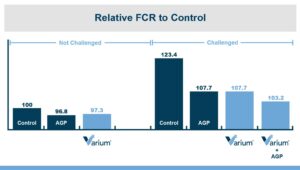
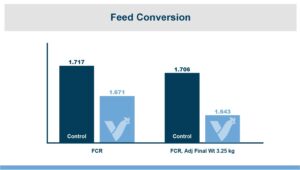
Pigs that were fed Varium showed a advantage in feed conversion over the control group, most notably during feeding phases 3 and 6.


Mortality Rates


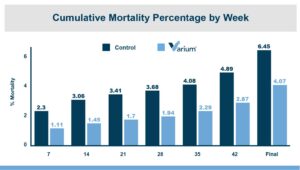
Mortality rates showed the most notable difference during phase two, when pigs fed Varium showed a mortality rate that was more than 60% less than the control group. The accumulated mortality rate over 7 phases for the Varium group showed a 43% reduction in mortality rate when compared to the control.


Diarrhea Incidence


The addition of Varium to the pigs’ diet cut the incidences of both pasty and liquid diarrhea in half, indicating an improvement in intestinal integrity provided by Varium.


Body Weight


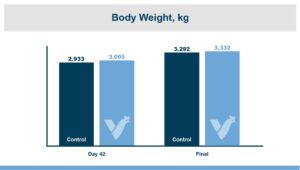
After 148 days, pigs in the Varium group weighed an average of 9% more than those on the control group, further supporting Varium as a beneficial addition to pigs’ diet.


Feed Intake


The Varium group showed lower feed intake at all 7 stages over control. This, combined with improved feed conversion rates and higher live weights indicate a more efficient use of feed from the Varium group.

Improved Feed Efficiency and Gut Health is a Beneficial for Producers

Weaned pigs fed Varium in this study simply performed better than the control group. The improvement in feed conversion, along with the positive trend in body weight and reduction in mortality, suggests that Varium can be an effective tool for improving herd health and overall performance in swine.

To learn more about Varium, contact your local representative at amlan.com


Company Information

Amlan is the animal health business of Oil-Dri Corporation of America, a leading global manufacturer and marketer of sorbent minerals. Leveraging over 80 years of expertise in mineral science, Oil-Dri Corporation of America, doing business as “Amlan International,” is a publicly traded stock on the New York Stock Exchange (NYSE: ODC). AmIan International sells feed additives worldwide. Product availability may vary by country, associated claims do not constitute medical claims, and may differ based on government requirements.

Feeding Calibrin®-Z Results in Improved Key Performance in Turkeys

Two field trials were conducted on commercial tom turkeys grown to 141 days, assessing key performance indices with the inclusion of Calibrin-Z®, a broad-spectrum biotoxin binder available in select international markets, in their diet from placement to harvest. The two trials were conducted in the barns of a large integrator.  A key point to these trials is that the company indicated they were having no specific mycotoxin nor bacterial challenges and therefore this is a true test of how Amlan’s base mineral product can improve performance even under normal circumstances. 

In the first trial, 26,391 poults were placed on the normal diets fed by the company and 26,422 poults were placed on that same diet with 2 lbs. of Calibrin-Z/short ton of feed added. Feeding Calibrin-Z improved each of the key performance indices (KPI’s) measured: weight gain, feed conversion, and livability. Feeding Calibrin-Z improved gain by 2.8% over the standard company diet at the target age of 141 days (Table 1).  Often increased weight gain is a result of increased feed intake and there is no effect on feed conversion. However, in this experiment adding Calibrin-Z to the turkey feed decreased the amount of feed required per unit of gain. Feed conversion improved by 6 points when Calibrin-Z was fed compared to the feed conversion of the turkeys fed the standard diet when adjusted to a common 42 lb. body weight. Thus 2.52 lbs. less feed was needed to get each turkey to that 42 lb. body weight. Additionally, livability improved by 1.85% when Calibrin-Z was fed. Livability of the turkeys fed the diet containing Calibrin-Z was 85.47% versus 83.62% for the conventionally fed birds. The combination of additional weight and increased livability resulted in 58,800 more live pounds delivered to the processing plant. 

Table 1. Results of the first trial comparing 141 day old tom turkeys fed a standard diet or a diet containing 2 Lbs./finished ton of Calibrin-Z. 

A second trial was conducted to confirm the results seen in the first study. In the second study, 27,022 poults were placed on the standard diet and 27,024 poults were placed on the diet containing Calibrin-Z. Again, each KPI improved when Calibrin-Z was added to the diet. Gain improved by 2.6%, feed conversion improved by 3.6 points, and livability improved by 1.3 percentage units.  Feeding Calibrin-Z to 27,024 turkeys in the second study resulted in 46,560 lbs. more live weight delivered to the plant at harvest. 

Table 2. Results of the second trial comparing 141 day old tom turkeys fed a standard diet or a diet containing 2 lbs./finished ton of Calibrin-Z. 


In an industry where even a small performance improvement has a big impact adding Calibrin-Z resulted in a high Return-On-Investment (Table 1).  In the first experiment the ROI was 17:1 while in the second experiment ROI was 11:1. 


Calibrin-Z is the foundation of Amlan International’s innovative value-adding feed additives for poultry and livestock and is sold in select international markets as a broad-spectrum biotoxin binder. As the animal health business of Oil-Dri® Corporation of America, Amlan products are backed by Oil-Dri’s 80-plus years of mineral science expertise. Additionally, vertical integration means Oil-Dri and Amlan own every step of the production process to deliver consistent high-quality animal health products around the world. To learn more about Calibrin-Z and our other mineral-based feed additives, visit amlan.com 

The Cumulative Effect of Multiple Mycotoxins

Unlocking the Mysteries of Mycotoxin Levels in Feeds 

One of history’s enduring quotes originates from the philosopher Aristotle, who articulated, “The whole is greater than the sum of its parts.” Today, we apply this wisdom to agriculture, specifically in understanding the cumulative effect of mycotoxins on livestock health and productivity. 

We explore the effect of mycotoxin levels in livestock feeds and the significance of multiple mycotoxins in tandem, uncovering the holistic impact of these toxins on livestock well-being and performance. Also, we investigate historical research documenting threshold levels of concern for individual mycotoxins across various animal species. However, there is a notable gap in research exploring the combined effects of multiple different mycotoxins present in livestock diets.  

The Cumulative Effect of Stressors 

Producers want to understand the “safe” threshold of mycotoxin levels in livestock feed and consult various available guides. However, the speed at which mycotoxins become toxic is often contingent upon several factors, including environmental conditions, genetics, nutritional factors, and other stressors such as disease prevalence, heat, or overcrowding. Moreover, the presence of other mycotoxins in the diet can exacerbate these effects. These factors collectively influence the clinical expression of mycotoxicosis, adversely affecting weight gain, feed efficiency, production, and reproductive capabilities. 

Under most normal production conditions, more than one mycotoxin is present in an animal’s ration. Toxin-producing fungi often generate more than one mycotoxin. This process can contaminate a single feed ingredient, or several different toxins can be blended into a diet from several different ingredients that make up finished feed. Furthermore, animals can encounter toxins from other sources, causing additional stress. These would include endo and exotoxins from bacteria, viral toxins, or toxins from the environment, both synthetic and natural. 

Mycotoxin Interactions  

Most controlled research uses dietary mycotoxin concentrations much higher than those shown to affect field conditions. The reason for using these higher concentrations is to achieve a significant challenge response in research conditions. As a result, the combined effects of multiple dietary mycotoxins in research may sometimes appear less than cumulative. This discrepancy could arise because of the severity of the negative effects induced by each mycotoxin, preventing the typical response from the second mycotoxin from occurring simultaneously in the animal. 

The cumulative effects of multiple mycotoxins can manifest in various ways:  

  • Additive effects, where each mycotoxin independently decreases performance by the same amount as it would if present in the diet alone;  
  • Synergistic effects, where mycotoxins collaborate to exacerbate negative outcomes beyond their individual impacts; and rarely,  
  • Antagonistic effects, where one mycotoxin diminishes the activity of another, although this is not to be expected as supported by various research.  

In a 2003 mycotoxin report by the Council for Agricultural Science and Technology there was a review of 33 papers where researchers reported the effects of multiple mycotoxins fed concurrently throughout production. In this review, only one was believed to have had an antagonistic response.  

An interesting occurrence, often not discussed, occurs when multiple mycotoxins demonstrate potentiative effects. According to the CAST report, “Potentiative effects occur when one mycotoxin does not cause a toxic effect on a certain organ or system, but then fed with another mycotoxin it makes the latter much more toxic.”   

What requires consideration and management is the overall toxin exposure. Achieving control over the disease is not dependent on attaining 100% control of any given toxin. Instead, it can be achieved by reducing a portion of the toxin exposure so that the total exposure is controlled. 
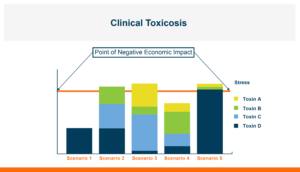
Figure 1. Control of toxicosis is not dependent on 100% control of any given toxin but can be attained by reduction of part of the toxin exposure such that the total exposure is dropped below the point that production is economically impacted. 
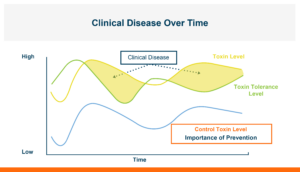
Figure 2. Multiple sources of stress in an animal’s life will change the tolerance level it has for toxins at different times. If you can decrease the toxin concentration that is entering the body from the gastrointestinal tract you can minimize the amount of damage it can do. 

 The animal’s ability to tolerate total mycotoxins can fluctuate over time due to varying levels of additional stressors impacting the animal. 

These stressors encompass a wide range of factors including disease challenges, rapid growth, onset of egg production, weaning, pregnancy or nursing, exposure to other mycotoxins, or toxins in the diet, among others. In addition, the total concentration of mycotoxins in the diet will also change over time. Clinical disease becomes evident when the total mycotoxin level surpasses the animal’s tolerance threshold. To optimize performance, it is essential to both minimize animal stress and mitigate toxin exposure. 

 Calibrin®-Z:  The Broadest Spectrum for Biotoxin Control 

Calibrin®-Z, available in select international markets, is proven to adsorb a broad range of bacterial and fungal toxins that negatively impact livestock. It is supported by years of research at universities, research organizations, and on-farm use around the world.    
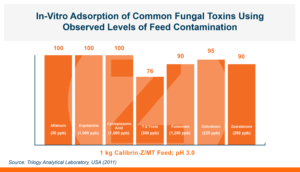
 

Calibrin-Z is not a traditional clay mineral. Amlan® International sources this unique, natural mineral in the U.S. and it is composed of calcium montmorillonite with high-capacity opal-lepispheres. It is a type of phyllosilicate constructed of nano-scale layers, providing an extensive surface area. Through proprietary thermal processing, Calibrin-Z is optimized to effectively bind the broadest range of biotoxins, including fungal and bacterial toxins. Selectively sourced for its exceptional binding capability, this mineral targets both polar toxins like aflatoxin and significant non-polar toxins such as zearalenone.  

Calibrin-Z: A Multiple Toxin Solution 

In the last year, numerous research projects have been undertaken to challenge and document the effectiveness of Calibrin-Z in mitigating the effects of multiple mycotoxins in the feed.   

These studies encompass a variety of approaches, ranging from a side-by-side comparison of high levels of a singular toxin, a combination of multiple toxins at lower levels, and a study that evaluated the effects of low levels of multiple toxins (all below a normal company rejection level for each toxin). 

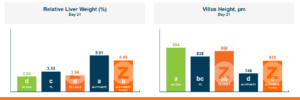
In the first study, a comparison was made between broiler chickens fed a higher concentration of T-2 toxin (2 ppm) and broilers fed a combination of multiple mycotoxins consisting of T-2 (1 ppm), Aflatoxin (1.8 ppm), and Fumonisin (50 ppm). The treatment groups in the trial included an unchallenged control group, a challenged control group for both the singular toxin challenge and the multiple toxin challenge, and challenge groups with Calibrin-Z included in the diet for both the single toxin and the multiple toxin challenges. Due to the high concentrations of mycotoxins in this study, Calibrin-Z was added at an inclusion rate of 0.5%. In all traits measured (BW, FCR, Relative Liver Weight, and Villus Height) the negative effect on performance was greater for the multiple mycotoxin challenge as opposed to the higher single mycotoxin challenge. When Calibrin-Z was incorporated into the diet, the result was a statistically significant improvement in performance vs. the challenged control for body weight (63g), relative liver weight, and villus height, and a numerically significant (6 points) improvement in FCR under multiple mycotoxin challenge.. For the single high mycotoxin challenge, the birds fed Calibrin-Z improved in every KPI with BW and FCR performing even numerically better than the unchallenged control. 
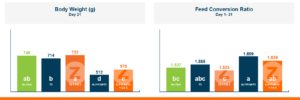


While it is anticipated to observe performance improvements when employing a high-quality toxin binder like Calibrin-Z, in diets containing elevated levels of both single and multiple mycotoxins, the initial query raised in this article remains pertinent: When individual toxin levels are exceedingly low, can they still adversely impact performance? And if so, can a toxin binder improve performance with low levels of toxins enough to offset the cost of inclusion in the diet? 

To test this, a replicated pen study was run that did not spike the broiler diet with mycotoxins, but rather tested the ingredients to document the level of mycotoxins naturally present. The corn was found to contain naturally occurring Fumonisin, T-2, and DON at levels significantly below what is documented as “Levels of Concern” in poultry. 
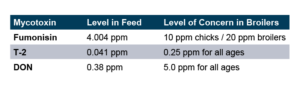
 The trial contained 8 replicate pens of 23 male broilers for each treatment and compared a control group to a group fed the same diet with an inclusion of 1 KG/MT Calibrin-Z.  As demonstrated in the table below, even when individual mycotoxin levels in the feed are extremely low, there is a synergistic effect that adversely impacts economically significant KPIs. However, incorporating a standard inclusion of Calibrin-Z into the feed improved performance. 
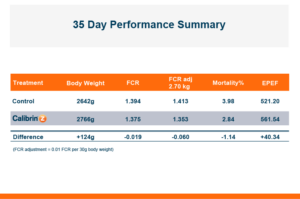
While the numerical improvements of approximately two days of growth (60 g/Day), a 6-point adjusted FCR, and a 1.14% increase in livability are certainly notable, what is the economic impact on live cost? If we assume a standard feed cost of $350/ton, which is common with the current grain prices, and then include the cost of the standard 1 kg/MT dosage of Calibrin-Z, these differences in KPI performance translate to a live cost advantage of just over $280,000 annually for every 100,000 broilers processed per week. Therefore, for a 1 million broiler per week operation producing 2.75 kg (approximately 6 lb.) broilers, this would result in a live cost savings based on enhanced performance of approximately $2.8 million annually. 
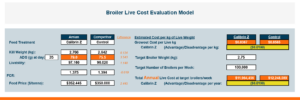
 

As previously mentioned, much of the research, including the initial study cited, is conducted with mycotoxin levels significantly elevated. While this approach effectively demonstrates the negative impact of mycotoxins on performance and highlights the benefits of using a toxin binder like Calibrin-Z, it does not accurately reflect the levels typically encountered in real-world scenarios. Consequently, many producers opt to forego a toxin binder in their day-to-day feed formulations and only consider adding a binder during specific times of year when higher mycotoxin levels are anticipated. 

However, this second study clearly demonstrates the synergistic interaction between extremely low levels that are under the “acceptable” threshold of mycotoxins and the significant economic advantages of incorporating a proven toxin binder, like Calibrin-Z, into the diet to enhance a producer’s bottom line.  

To start a trial, visit Amlan.com 

© 2024 Amlan International. All Rights Reserved. Product availability may vary by country, associated claims do not constitute medical claims and may differ based on government requirements. 

Reduce Salmonella Prevalence and Load with NeutraPath®

Salmonellosis is a foodborne pathogen that causes illness and death worldwide. A blended feed additive has been shown to have good effects in vitro on a wide range of Gram-negative and Gram-positive bacteria and in vivo to mitigate the effects of Clostridium perfringens in broilers and E. coli in swine. Thus, it was decided to investigate the ability of the proprietary blend of essential oils, medium-chain fatty acids, and an processed toxin-adsorbing mineral (NeutraPath® available in select international markets) to control Salmonella. In vitro and in vivo research with Salmonella typhimurium and Salmonella heidelberg showed the blend could reduce prevalence and bacterial load of Salmonella in broiler chickens. Based on these in vitro and in vivo data, feeding this blend could be a potential new method to help control Salmonella in broiler chickens and aid in control of pathogens at the farm level. 


A Foodborne Pathogen 

Salmonella is a very common pathogenic bacteria that can be passed from animals to humans. The typical symptoms of salmonellosis in humans are diarrhea, fever, and stomach cramps, with the occasional vomiting. Generally, this is mild and doesn’t require medical intervention, but it can be deadly, especially in young children. Worldwide, Salmonella is one of four main causes of diarrheal diseases, with diarrheal disease being the 2nd leading cause of death in children under five. In the United States approximately 1,350,000,000 people are infected annually, ~26,500 people are hospitalized, and ~420 die each year. The very young, the very old, pregnant women, and people with compromised immune systems are generally affected the most.  

According to the World Health Organization, Salmonella, a hardy bacteria, can survive in a dry environment for several weeks but several weeks turns into several months if it is in water.  


Sometimes salmonellosis can result from coming in direct contact with animals that carry the bacteria, typically reptiles or birds. There are two species of Salmonella, bongori and enterica. Salmonella bongori is normally associated with cold-blooded animals but can infect humans. Selling tiny turtles (those with shells less than 4 inches long) has been prohibited in the U.S. since 1975 because of their association with salmonellosis in children. Salmonella enterica has more serovars with approximately 80 that can infect humans and animals. With an increase in the popularity of raising your own chickens the CDC (Centers for Disease Control) has issued repeated reminders about the safe handling of chickens, including a reminder “don’t kiss your chickens” because of serious outbreaks of salmonellosis, especially among children, linked to raising chickens in the backyard.

But eating or mishandling raw or undercooked contaminated food is the source of most cases of salmonellosis in humans. Live poultry often don’t show signs of carrying Salmonella even if their intestines contain the pathogenic bacteria. There are multiple ways that birds can be exposed to Salmonella. Exposure can be through contaminated feed, from wild birds or rodents, or from a contaminated barn. It is even possible that poultry may be contaminated before the egg that they hatched from was laid. Hens can have bacteria in the ovary or oviduct and the egg can be contaminated before the shell forms around the egg, meaning that even clean, washed eggs could be contaminated. The Poultry Industry has been working diligently to control this problem and this source of contamination of broiler chickens has declined in recent years.  


Even though a majority of the foodborne illnesses due to Salmonella originate from non-poultry sources, twenty-three percent of the Salmonella outbreaks in the U.S. are linked to poultry consumption (16.8% from chicken, 6.6% from turkey) with another 6.3% coming from eggs. Salmonella in the intestine of poultry can lead to contamination of poultry meat during processing. Proper cooking will kill the bacteria, but improper handling may spread bacteria around the kitchen and raw vegetables, undercooked meat or uncooked foods containing eggs (i.e., cookie dough) may still be contaminated with live bacteria. Together the CDC, FDA (Food and Drug Administration), and USDA (United States Department of Agriculture) have a goal of reducing Salmonella illnesses by 25% by 2030. In order to do this, they need to decrease Salmonella infections from all products regulated by the Food Safety and Inspection Service division of the USDA by 25%. One way to help reach this goal is to help minimize the amount of Salmonella that comes into the processing plant making it less likely that contamination of poultry meat will occur.  

Poultry producers need help to accomplish this goal. Research has shown that a proprietary blend of essential oils, medium-chain fatty acids, and an processed toxin-adsorbing mineral (NeutraPath®, Amlan International, available in select international markets) may be of assistance. The blend has anti-virulence effects because of its ability to bind quorum sensing molecules, exotoxins, and endotoxins associated with bacteria. It also has direct bacteriostatic/ bactericidal effects against both Gram-positive and Gram-negative bacteria. Its efficacy has been proven over years of in vitro and in vivo trials at multiple research sites, against multiple bacteria, in multiple animal species.  

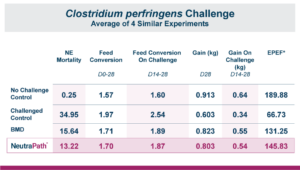
In vivo research in chickens showed that the blend decreased the effects of Clostridium perfringens. A summary of the studies showed that it improved mortality, gain, and feed conversion in challenged broilers. In weaning pigs, it was shown to decrease the impact of enterotoxigenic E-coli (F-18+). In the pigs challenged with E. coli the blend improved feed efficiency and decreased frequency of diarrhea. When the fecal microbiome was examined, there was a higher relative abundance of Lactobacillaceae and a lower relative abundance of Enterobacteriaceae. Enterobacteriaceae is a family of Gram-negative bacteria that includes both E. coli and Salmonella. These positive results led researchers to investigate its effects on Salmonella, with research being conducted both in vitro and in vivo.  


Salmonella Research 


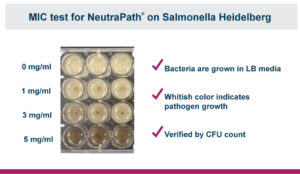
In vitro tests were used to determine the minimum inhibitory concentration (MIC) and the minimum bactericidal concentration (MBC) of NeutraPath against S. heidelberg. Three different concentrations (1, 3 and 5 mg/ml) of NeutraPath with a control of 0 mg/ml were added to samples of an S. heidelberg strain. The MIC of NeutraPath for S. heidelberg was found to be 5 mg/ml. To determine the MBC Salmonella cultures were incubated at 37ºC for 16 hours without agitation. After incubation, bacterial counts were measured by serial dilution. A 30 μl aliquot of each dilution was plated onto lysogeny broth and incubated overnight. The MBC of NeutraPath for S. heidelberg was determined to be 4 μg/ml. These assays demonstrated that the blend has strong in vitro inhibitory and bactericidal activities against this key pathogen.  

Because of the results seen in vitro researchers conducted an in vivo experiment. The researchers wanted to know how the blend would affect the Salmonella prevalence in birds previously challenged with S. heidelberg and fed for a short period of time before sampling.  

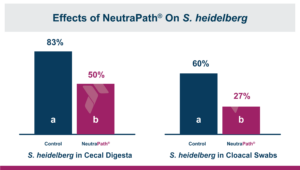
After feeding the treatments for seven days, pre-moistened boot-sock swab sampling showed that there was S. heidelberg contamination in 100% of the pens. Cecal digesta samples and cloacal swabs were also collected from 10 of the broilers that had been directly challenged at hatch to determine Salmonella prevalence. The prevalence of Salmonella decreased by 40% in the cecal digesta (83.3% vs. 50.0%) and by 55% (60.0% vs. 26.7%) in the cloacal swabs when the blend was added to the diet for 7 days prior to testing. 


Comparable studies were done at second location with another group of researchers to establish that the results from the initial studies could be repeated in other Salmonella serovars. This time studies looked at the effects of the blend on Salmonella typhimurium.  


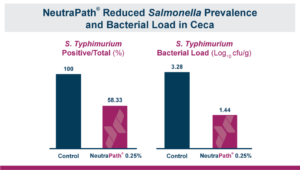
First an in vitro study digestion was used to simulate the crop, proventriculus and intestinal section of the gastrointestinal tract. Each “section” had pH and enzymatic conditions that would correspond to that area of the gut. Adding the antimicrobial blend inhibited the growth of S. typhimurium, reducing the total colony forming units recovered in each section. This positive result meant that an in vivo study was warranted. This time the broilers were started at one day of age. Thirty male broiler chicks were placed on two treatments. The treatments were a challenged control with non-treated feed, or birds fed that diet + 0.25% of the blend. At nine days-of-age chickens were given an oral dose of 106 CFU (Colony Forming Units) of live S. typhimurium. Twenty-four hours after the challenge ceca and cecal tonsils were removed so that they could be evaluated for Salmonella recovery. Both the number of positive samples and the amount of Salmonella bacteria found in those positive samples decreased in the treated birds. Feeding the blend decreased the ceca that tested positive for S. typhimurium by 41.7%, 100% of the tested ceca were positive in birds fed the untreated control compared to only 58.3% of the ceca in the birds that were fed the blend. In the birds that tested positive the total S. typhimurium bacterial load recovered in the ceca also dropped by 1.84 log10 CFU/g compared to the untreated control.

Conclusion 

Around the world foodborne salmonellosis continues to be a problem. Regulators are targeting aggressive goals for salmonella reduction in poultry meat. A proprietary blend of essential oils, medium-chain fatty acids, and an processed toxin-adsorbing mineral has been shown to work against a variety of bacteria. Research has shown efficacy against C. perfringens, E. coli, and S. typhimurium and S. heidelberg. Based on the current in vitro and in vivo research adding the blended product has the potential to reduce Salmonella colonization in broiler chickens. This is a viable option for use in poultry health programs including those controlling Salmonella contamination. To learn more about NeutraPath or to contact a local representative, visit amlan.com.


Seeing is Believing! Calibrin®-Z Binding Effect

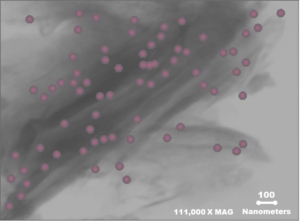
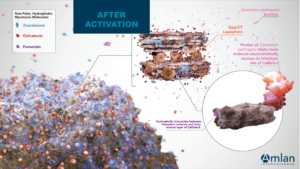
(Figure 1) Platinum octaethylporphyrin molecules seen adsorbed by Calibrin-Z using Cryogenic Transmission Electron Microscopy. Platinum (pink) seen under microscopy indicates where the organic compound was bound in the interconnected pores of the unique clay mineral. 

Providing Economic Value for More Than a Decade  

For more than 16 years, Calibrin®-Z (available in select international markets) has helped poultry producers mitigate the damage that mycotoxins cause to their livestock, their sustainability, and their bottom line. Calibrin-Z’s ability to bind mycotoxins, fungal toxins that negatively affect the health and performance of livestock, has been shown both in experimental settings and on the farm. The implication from this research was that the unique clay mineral that comprises Calibrin-Z was blocking the negative effects of mycotoxins on animal performance by adsorbing the toxins in the pores of the clay.  The way the binding occurred was known but had not been seen directly. 

Until Now!  

Scientists from Oil-Dri worked with university scientists to enable us to see organic molecules binding to Calibrin-Z (Figure 1). To do this they used Cryogenic Transmission Electron Microscopy.  This type of microscopy is used to look at biological and materials structures at an almost atomic level. The material of interest is flash-frozen to keep from damaging the structure of the organic material that is being observed. 

Octaethylporphyrin, is an organic molecule that was chosen to represent the mycotoxins that Calibrin-Z normally adsorbs. It has a general size and planar orientation similar to that of mycotoxins. Platinum is not an element that is typically found in the clay mineral that makes up Calibrin-Z and can be seen using cryogenic transmission electron microscopy. This combination of factors makes it an excellent marker to use to visualize Calibrin-Z’s binding sites. When the organic portion of the platinum octaethylporphyrin molecule is adsorbed onto the Calibrin-Z binding sites you can see the platinum with a cryogenic transmission electron microscope. The platinum in the picture taken under the microscope was interspersed between the layers and on the outer surface of the Calibrin-Z particles. This shows that the organic compound was bound in the interconnected pores as was anticipated.   

Selection and Quality 

Calibrin-Z’s natural ability to adsorb biotoxins is based on the clay mineral used in its manufacture. The source of the clay mineral was chosen after years of testing and comparisons of a multitude of different potential sites. This source was selected based off its innate ability to bind toxins, the ability to improve that binding with processing, and its benign chemical profile. With vertical integration, mine to market traceability, and decades of reserves, this unique clay mineral is the foundation of Amlan International’s animal health products.   
Calibrin-Z is composed mainly of calcium montmorillonite with opal lepispheres. The opal lepispheres are intimately interwoven within the nano-scale layers of montmorillonite. They help Calibrin-Z maintain its structure during a proprietary processing step that expands the number of biotoxins Calibrin-Z adsorbs. The unique structure of Calibrin-Z is vital to its toxin binding capacity.
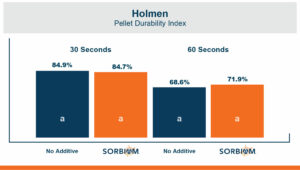
 

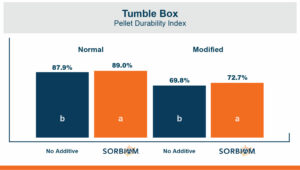
Absorption and Adsorption 

A kilogram of Calibrin -Z has approximately the same surface area as 60 soccer fields.  This is because over 99% of Calibrin-Z’s total surface area is inside the particle. Calibrin-Z’s internal network of interconnected channels and pores is ~50% of its total volume. When Calibrin-Z is fed to livestock or poultry, fluid in the intestine rapidly absorbs into the mineral’s pores through capillary action. Biotoxins in the fluid move inside via the networks of capillary channels. From a molecular perspective it is as if they are traveling on a superhighway. Biotoxins adsorb once they reach the binding sites on the pores’ surfaces.  

The biotoxin molecules are attracted onto the pore surfaces via adsorption, this is both chemisorption and physisorption.  Biotoxins will structurally coordinate themselves onto charged surfaces and bind via ion-dipole and electrostatic interactions. While mycotoxins tend to be smaller and can enter the pores of Calibrin-Z and bind there, bacterial toxins tend to be larger but may also bind. Theoretically, there are special physical properties that allow the molecular conformation of the bacterial toxin to become distorted, which allows them to adsorb onto macro-surfaces within the pore spaces. Someday we may be able to use microscopy to see that, too. 

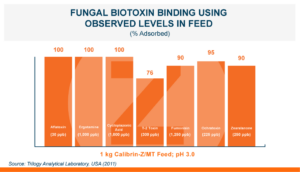
Because of its structure, the clay mineral that Calibrin-Z is made from is naturally hydrophilic and will bind to polar molecules. But Calibrin-Z undergoes a proprietary processing method  that causes dehydroxylation of the clay mineral’s crystal structure. During this process the opal lepispheres spread between the layers maintain its channels and binding sites. Thus, Calibrin-Z continues to bind polar molecules, such as the mycotoxin aflatoxin, but processing also allows it to have the ability to bind non-polar mycotoxins such as zearalenone. The ability to mitigate the effects of multiple mycotoxins has been shown using both in vitro and in vivo research.  

Because of Calibrin-Z’s proprietary heat treatment the toxins that it adorbs include a broad-spectrum of polar and non-polar toxins. Therefore, Calibrin-Z has shown high adsorption properties for mycotoxins, enterotoxins, and endotoxins.  


Examples of Biotoxins Bound by Calibrin-Z 

 Natural and Reliable to Use 

Calibrin-Z is shown to be a reliable and effective biotoxin binder. When added to animal feed at up to 5X the recommended dose it showed no negative effects. In fact, there was often a numerical improvement in gain, feed intake, or feed conversion when Calibrin-Z was added to an unchallenged diet. This indicates that there was no significant negative effect of Calibrin products on nutrient utilization.  

The unique surface chemistry and structural properties of the calcium montmorillonite in Calibrin-Z, added to its proprietary thermal-processing method, are what provide its optimal toxin binding capacity. This is what sets Calibrin-Z apart from other clay-based products. We have long known this because of its structure, how it works in vitro and how for more than a decade it has improved the performance of livestock and poultry. And now we, and you, are able to see it with our own eyes.  

To learn more about broad spectrum biotoxin binder Calibrin-Z, and how you can add it to your poultry and livestock feed, visit amlan.com 

Rapidly Adsorb Aflatoxins and Improve Poultry Performance with Calibrin-A

Calibrin-A White Broilers

Mitigating the effects of mycotoxin-contaminated feed is a goal of every poultry producer in order to keep birds healthy and reduce the negative effects of mycotoxicosis on performance. Aflatoxin is a common threat to poultry productivity, targeting and damaging the liver and causing mortality in severe cases. Subclinical cases can reduce feed intake, weight gain and efficiency, which negatively impact the cost of production and, ultimately, profits.

Aflatoxin is a polar or hydrophilic (water-loving) mycotoxin, which means it and other polar mycotoxins, like ergotamine, ergovaline and cyclopiazonic acid (CPA), are attracted to hydrophilic surfaces. Calibrin®-A (available in select international markets) is a mineral-based feed additive that rapidly adsorbs these polar mycotoxins due to its hydrophilic binding sites. If mycotoxin diagnostic tests (e.g., BioInsights) detect feed is contaminated with polar mycotoxins, Calibrin-A is an effective solution for reducing performance loss.

The Calibrin-A Difference

Calibrin-A contains one ingredient — our selectively-source calcium montmorillonite with opal CT lepispheres. We select our calcium montmorillonite from a specific location within our mine to ensure product consistency, quality and reliability for customers. We’re very specific about where we source our mineral, because of its natural physical and chemical properties. We also use proprietary mineral processing methods that are tailored for each product. These unique properties are what create the difference between Calibrin-A and other clay binders in the market. Calibrin-A naturally adsorbs polar mycotoxins and is designed to have a high particle count and increased access to hydrophilic binding sites. The combination of natural mineral characteristics and processing techniques creates a highly effective, fast-acting feed additive for binding polar mycotoxins.

Rapid Polar Mycotoxin Adsorption Is Key

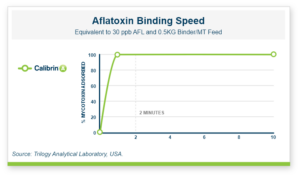
Eliminating the fast uptake of mycotoxins into the digestive system is key to preventing the negative health and performance effects of mycotoxicosis. Mycotoxins quickly metabolize in the intestines and liver and can circulate in the blood for days or weeks. While certain toxins enter the body more quickly than others, the negative effects consistently result in decreased performance and unrealized economic potential. Calibrin-A rapidly adsorbs polar mycotoxins, reducing their bioavailability in the body and mitigating performance loss (Figure 1).

Figure 1: Calibrin-A rapidly adsorbs aflatoxin. Source: Trilogy Analytical Laboratory, USA.

Calibrin-A Improves Performance of Aflatoxin-Fed Broilers

The impact rapid aflatoxin adsorption by Calibrin-A has on bird productivity was shown in two broiler studies. In research conducted at the University of Missouri (Columbia, MO), Calibrin-A abated the detrimental effects of aflatoxin-contaminated feed on broiler health and performance. The study compared a control diet to diets containing 2 ppm of aflatoxin, with or without 0.5% Calibrin-A, fed to day-old Ross 308 chicks for 21 days.

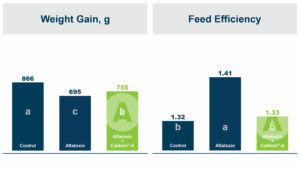
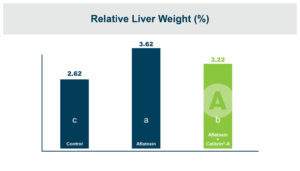
As expected, aflatoxin in the feed caused decreased (P < 0.05) feed intake, weight gain and feed efficiency, and increased (P > 0.05) relative liver weight compared to control birds. The liver is the main target of aflatoxin if it enters the body from the intestine. Aflatoxin will cause the liver to swell and it can become “fatty” with a yellow appearance. The swollen liver and decreased weight gain causes increased relative liver weight.

Adding Calibrin‑A to the diet of birds fed aflatoxin improved weight gain and feed efficiency (Figure 2), and reduced the mycotoxin-induced increase in relative liver weight (Figure 3). Mortality rate of the control and Calibrin-A-fed birds (2.5%) was lower than the aflatoxin-fed birds (10%).

Figure 2: Calibrin-A improved weight gain and feed efficiency in broilers fed aflatoxin-contaminated feed (P < 0.05).

Figure 3: Calibrin-A reduced the mycotoxin-induced increase in relative liver weight (P > 0.05).

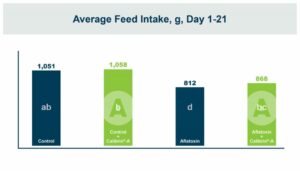
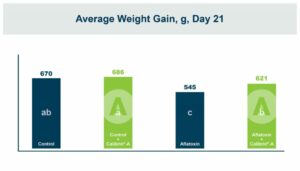
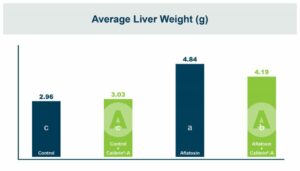
In a study conducted at SAMITEC (Santa Maria, Brazil), four groups of male broiler chicks (6 reps x 10 chicks each) received a diet with or without aflatoxin (2.8 ppm) and with or without 0.5% Calibrin-A (CON, AFL, CON + Calibrin-A, AFL + Calibrin-A). Calibrin-A improved (P < 0.05) the feed intake and body weight of birds fed aflatoxin (Figures 4 and 5) and reduced (P < 0.05) the average liver weight of birds fed aflatoxin (Figure 6). Additionally, adding Calibrin-A to the control diet (no aflatoxin) at 10 times the recommended dose had no negative effects on growth performance (Figures 4 and 5), indicating that Calibrin-A does not significantly interfere with nutrient use.

In order to achieve statistical significance between the challenged and non-challenged birds, a much higher concentration of aflatoxin was used in both studies than would typically be seen in poultry diets. Because birds were challenged with a high amount of aflatoxin, Calibrin-A was also included at a higher dose than typically recommended. The ratio of Calibrin-A to aflatoxin in the feed was 2500:1 (5000 ppm Calibrin-A and 2 ppm aflatoxin) for the University of Missouri study, for example, which is equivalent to the recommended inclusion rate of Calibrin-A (500 ppm) and 0.2 ppm of aflatoxin in the feed. This amount of aflatoxin is still higher than the concentration typically found in poultry feed.

Figure 4: Calibrin-A increased feed intake in birds fed aflatoxin (P < 0.05).

Figure 5: Calibrin-A increased the average weight of birds fed aflatoxin to a weight similar to control birds (P < 0.05).

Figure 6: Calibrin-A decreased the average liver weight of birds fed aflatoxin (P < 0.05).

These studies demonstrate the performance and health benefits of feeding Calibrin-A to rapidly adsorb polar mycotoxins like aflatoxin. Single-ingredient, mineral-based Calibrin-A is an effective solution to mitigating the risk of mycotoxicosis from aflatoxin-contaminated feed. To learn more about Calibrin-A or to try Calibrin-A for yourself, contact your local sales representative.


X